
Blog
The relationship between your gut and skin: what the microbiome says about skin problems
More and more studies show that your skin and gut are closely linked. This so-called gut-skin axis plays a role in inflammation, your defenses and even skin problems such as acne and rosacea. But how exactly does that work, and what can you do about it? In this blog, we tell you everything you need to know about the connection of your gut and skin!

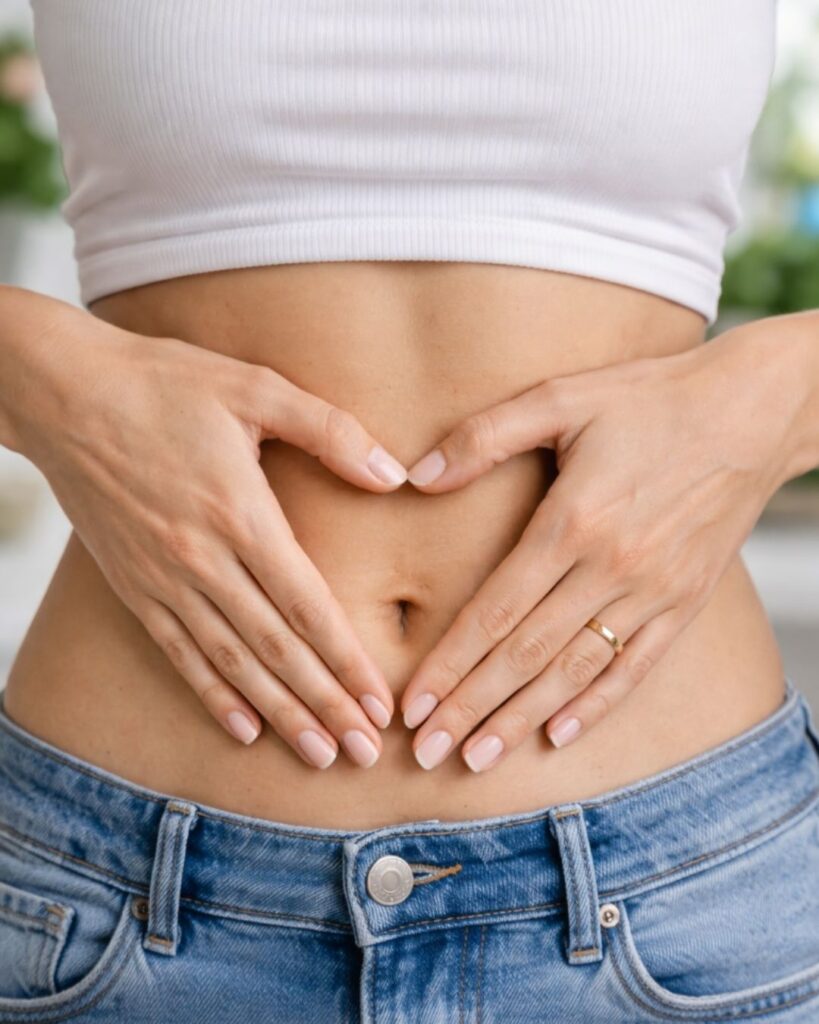
What is the microbiome anyway?
The microbiome is the collective term for all the bacteria that live in your body, both in your gut and on your skin.
In our bodies, we can distinguish between two types. The gut microbiome regulates your digestion, hormones and immune system. Your skin microbiome protects your skin from harmful external influences.
When your gut flora gets out of balance (due to stress, diet or antibiotics, for example), it can cause a chain reaction that shows up on your skin.
How do your intestines affect the skin?
The gut and skin communicate through:
- Immune system: disrupted gut flora can lead to low-grade inflammation visible as redness and/or pimples.
- Hormones & neurotransmitters: gut bacteria influence stress hormones, which in turn affect sebum production and inflammation.
- Microbiome metabolites: substances produced by bacteria that affect the skin barrier and collagen.

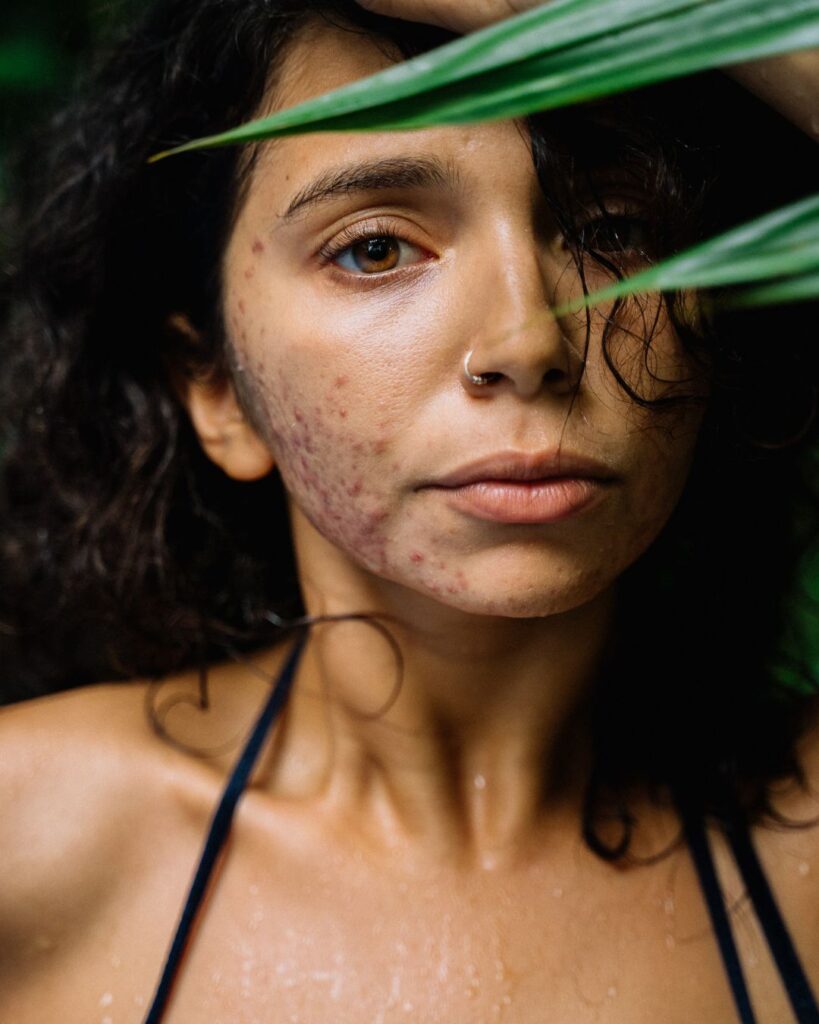
Skin problems linked to intestines
- Acne and colon
Studies show that people with acne are more likely to have a disrupted gut microbiome. An overgrowth of bad bacteria can activate sebaceous glands and worsen inflammation.
- Rosacea and colon
There is a clear link between rosacea and intestinal problems such as SIBO (Small Intestinal Bacterial Overgrowth). Many patients notice improvement when the gut flora is addressed.
- Accelerated skin aging
Chronic inflammation from the gut can cause premature skin aging, such as fine lines, sagging, and dull skin.
Solutions at DokterEs
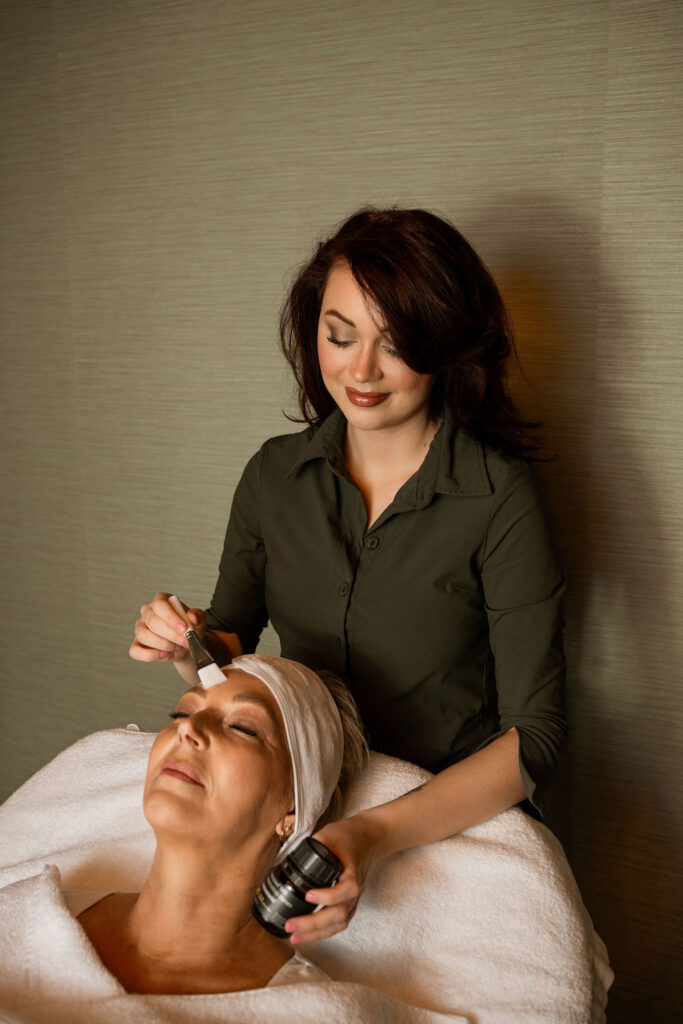
When a disrupted microbiome leads to skin problems, DokterEs offers several solutions. Depending on the symptoms, we focus on restoring the skin barrier with medical skin care products, reducing redness and inflammation with peels and/or laser treatments, and repairing skin aging signs with an appropriate customized solution, such as with skin-enhancing treatments and/or injectables.
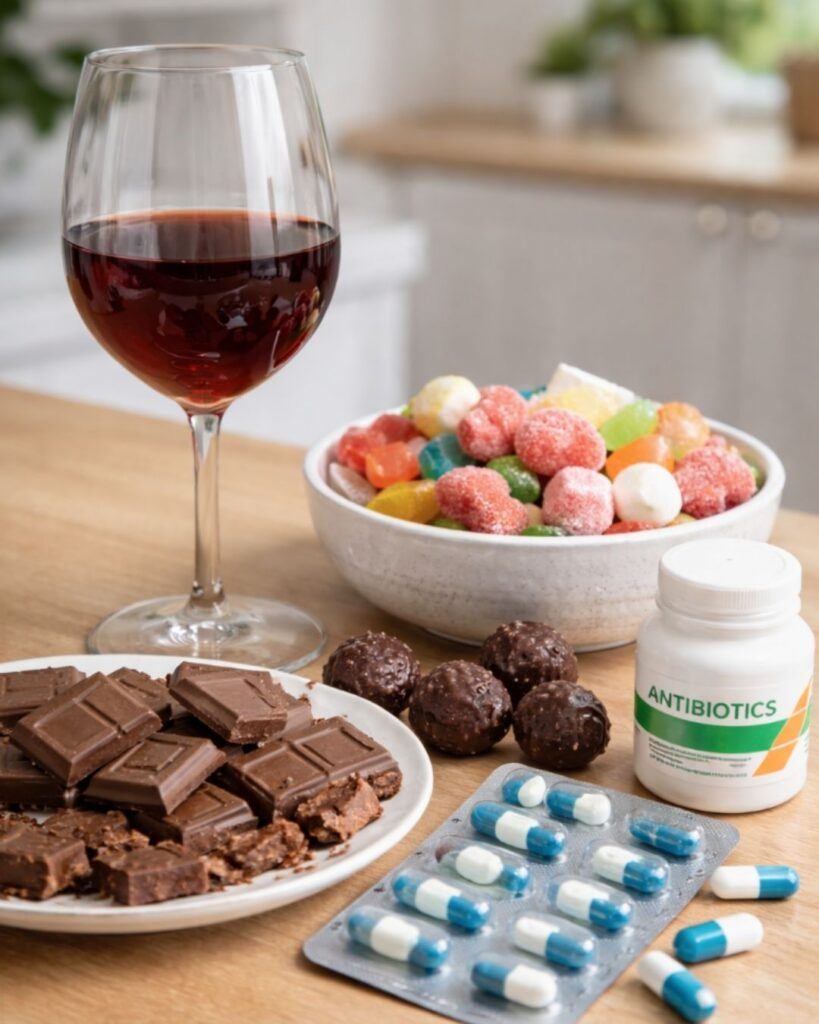
Disrupted gut flora: what does it mean for your skin?
Disturbed gut flora can result from:
- Too much sugar, alcohol or processed foods.
- Antibiotic use.
- Chronic stress and sleep deprivation.
This leads to:
- More inflammation that may manifest as acne or rosacea.
- Reduced absorption of nutrients important to the skin (such as vitamins A, C, D, zinc).
- Disruption of the skin barrier.
Probiotics and skin improvement: hype or help?
Probiotics are live bacterial cultures that can support your intestinal flora. Research shows that probiotics:
- Inflammatory reactions can be lowered.
- A positive effect can be had on acne and rosacea.
- Strengthening the skin barrier.
But: probiotics are not a panacea. You get the best results by combining probiotics with a healthy diet, reduced stress and good skin care.


Facts and fables about gut and skin
Myth. Bowel flushes often actually disrupt flora.
Fact.
Myth. They can support, but skin treatments remain necessary.
Fact. Eating foods especially high in fiber helps your gut flora and thus indirectly your skin.
What can you do yourself for a healthy(er) microbiome and skin?
- Nutrition: lots of vegetables, fruits, whole grain products, and fermented foods (such as yogurt, kefir, kimchi).
- Limit alcohol and sugar: both feed bad bacteria and increase inflammation.
- Stress reduction: yoga, walking and adequate sleep.
- Choose mild skin care: harsh cleansers can disrupt the skin microbiome.
- Combine with professional treatments: laser, peels or injectables can strengthen the skin locally, while nutrition and gut support the basics.


Bowel-skin connection as a puzzle piece
The relationship between gut and skin is clear: A disrupted microbiome can contribute to acne, rosacea and even skin aging. Yet it is never the sole cause.
The best approach? A combination of skin treatments and a healthy lifestyle. That way you tackle the skin from the inside out and from the outside in.
Frequently Asked Questions
The microbiome is the collective term for all the bacteria in your intestines and on your skin.
Through the immune system and hormones. Inflammation in the gut can aggravate acne and rosacea.
Yes, probiotics can be supportive, but are never the only solution.
Healthy diet, stress reduction and professional skin treatments combine.
Schedule your skincare consultation at DokterEs
Do you suffer from acne, rosacea or premature skin aging and want to know if your gut is playing a role? At DokterEs , we not only look at your skin, but also at underlying factors such as lifestyle and microbiome.
Schedule a no-obligation skincare consultation and find out which approach is best for your skin.